
The song is the beginning
K-pop is proving that music can be more than a product, it can be the gateway to an entire artist universe.
K-Pop Is Showing the Music Industry That the Song Is Only the Beginning
For decades, the music business has operated around a fairly simple idea: the song is the product.
You record it. You release it. You promote it. You get it onto radio, playlists and social media, and hopefully generate enough attention to create streams, ticket sales and merchandise.
But K-pop has been turning that model around.
The song isn't necessarily the final product anymore. It can be the entrance to an entire world.
Korean entertainment companies aren't simply developing recording artists.
They're building artist universes.
From listeners to participants
Look at what happens around a major K-pop act.
There is obviously music, but surrounding that music is fashion, choreography, video, visual identity, collectibles, merchandise, live experiences, fan communities, storytelling and social content.
And these things aren't necessarily created after a record becomes successful.
Increasingly, they're part of the artist proposition from the beginning.
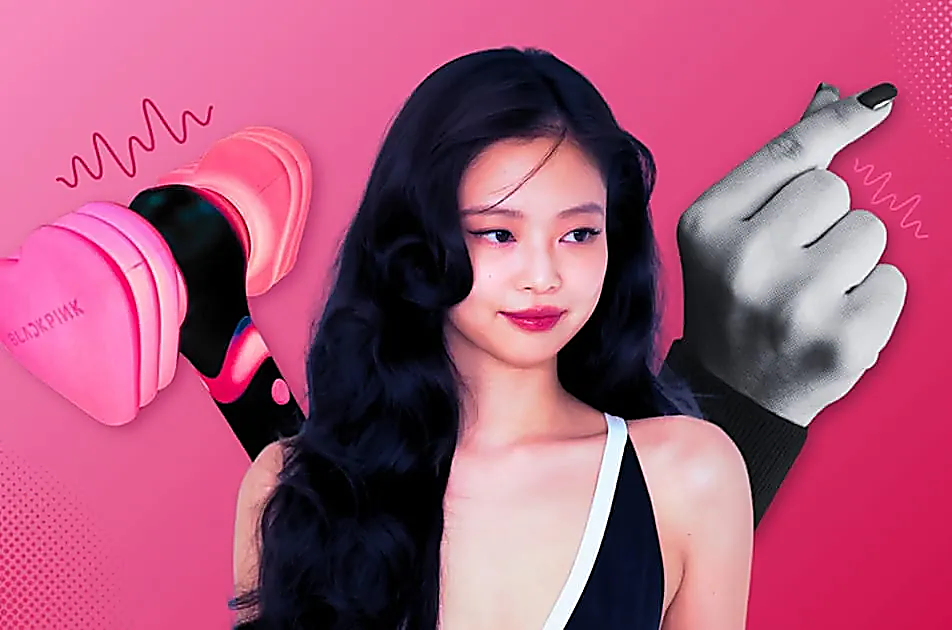
BLACKPINK offers a great example.
During the group's Wembley Stadium run, a separate London venue was transformed into a multi-day merchandise pop-up experience.
The artists didn't need to be standing there performing for fans to show up.
Fans came because merchandise, collectibles and signature items like the group's light sticks represent something bigger than a souvenir.
They represent participation in the BLACKPINK universe.
That's a very different relationship than simply buying a T-shirt after a concert.
The product becomes a symbol of belonging.
Streaming doesn't tell the whole story
This is also why I think we have to be careful about judging the size or importance of an artist solely by Spotify numbers.
Lisa from BLACKPINK is an interesting example.
Her social-media audience is enormous, and individual videos can generate audiences dramatically larger than what we might expect by looking at streaming numbers alone.
Those aren't directly comparable metrics, of course.
But they demonstrate something important:
The audience may be engaging with the artist rather than simply consuming the song.
The video, choreography, locations, fashion, imagery and cultural identity are all part of the experience.
The music video isn't simply advertising the recording.
It's expanding the world around it.
The economics are changing too
For years we've talked about merchandise, licensing, live entertainment and other rights as additional revenue streams surrounding recorded music.
But what happens when those businesses become as important — or even more important — than the recordings themselves?
The economics of developing an artist begin to look very different.
Instead of asking:
"How do we get more streams?"
Perhaps the better question becomes:
"How many meaningful ways can someone participate in this artist's world?"
That is a much bigger idea.
Independent artists should be paying attention
And I don't think this lesson applies only to giant Korean entertainment companies with enormous budgets.
Obviously, an independent artist can't build a BLACKPINK-sized operation.
But the philosophy scales.
An artist today can think beyond releasing a single every six weeks and posting "OUT NOW" on Instagram.
What is the visual language?
What does the live experience feel like?
What recurring content exists around the music?
What merchandise would fans actually want to own?
What story connects one release to another?
What makes someone feel like they're part of a community rather than simply another monthly listener?
Those questions don't necessarily require a multimillion-dollar budget.
They require thinking about the artist as more than a collection of songs.
Music is the gateway
None of this means music is becoming less important.
I would argue the opposite.
The music is what opens the door.
But once someone walks through that door, there needs to be something on the other side.
Hollywood understood this a long time ago. A movie could become toys, games, television shows, collectibles, experiences and eventually an entire universe.
K-pop is demonstrating that music can operate in much the same way.
And perhaps that's one of the biggest lessons the global music industry can take from its success:
Don't just build an audience for the song.
Build a world the audience wants to enter.
And then give them reasons to stay.
